
Why Teams Choose iShift
Not all cloud migrations are created equal. Some unlock scale, security, and smarter operations. Others leave teams scrambling with bloated bills, broken apps, and vendor regret.
The difference? Planning and partnering with someone who has done this before.
At iShift, we have helped organizations migrate without chaos and modernize their architecture in ways that reduce complexity, not add to it.
Here is what most teams overlook and why choosing the right migration partner can make or break the move.
Why Most Cloud Migrations Fail to Deliver Value
Let’s be real, lifting and shifting is easy. But smart cloud migration means much more than copying what you had and dropping it in someone else’s data center.
The typical failure pattern looks like this: A team migrates their workloads, celebrates the go-live, then realizes three months later they have no resource tagging and zero visibility into what is actually running. They have carried over overbuilt environments with no optimization. Nobody planned for GPU access, latency requirements, or multi-cloud connectivity. And now they are locked into vendor dependencies that limit future flexibility.
The end result? Higher costs, slower pipelines, and fragile stacks that break under pressure.
What Smart Teams Align on Before Moving Anything
Smart teams know Cloud isn’t the destination. What matters is the architecture, ops model, and control you build around it.
Before migrating a single workload, define what fast actually means post-migration. We have seen teams move to cloud expecting better performance only to discover they never mapped out network design for hybrid environments.
Are you supporting dual-stack IPv4/6? Where is the GPU logic if your stack supports AI/ML workloads?
Security can’t be an afterthought either. Are workloads segmented, encrypted, and monitored from day one?
And here is the question most teams avoid: How easy will it be to switch vendors later if this one doesn’t work out?
At iShift, we help you model these decisions before a single workload moves. Explore our Cloud Services to see how we turn migration into a competitive advantage, not a gamble.
How iShift Makes Cloud Migration Smart, Not Scary
We start with architecture, not vendor bias. Whether you are coming from on-prem, VMware, or an underperforming cloud, we help you design what good actually looks like. When a healthcare company came to us after a botched migration left them with 40% higher cloud spend, we redesigned their architecture and cut their costs by 35% in 90 days while improving performance.
We move fast, but never at the expense of resilience. Accelerated doesn’t mean rushed. We validate workloads, dependencies, and operational impact before the cutover. No surprises at 3am on launch weekend.
Security is baked in from the start. We don’t believe in separate cleanup projects after migration. Security, segmentation, and policy enforcement are built into the architecture on day one, not bolted on later when something breaks.
Cost control isn’t optional. We optimize for spend efficiency from compute right-sizing to storage and GPU usage models. If your next cloud costs more than your last one, something is wrong. We fix that before you go live, not after the first invoice shock.
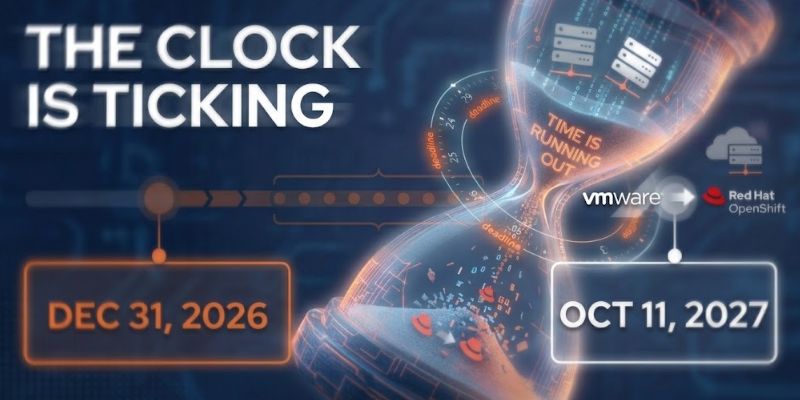
Learn how we support VMware exits and other legacy transitions without disruption.
iShift vs. “Just Another MSP”
Most MSPs resell clouds. We build architectures.
Most vendors chase billable hours. We build cost-efficient systems.
Most migrations are reactive. We design for long-term control.
If you are moving to the cloud, do it on your terms, not someone else’s.
👉 See our Cloud Services
👉 Book a quick discovery call: no slides, just substance
Your Next Cloud Bill Is Already Being Written
The moment you go live in a new cloud, the clock starts. Costs rise. Complexity compounds. Teams adapt or struggle.
That’s why a smart cloud migration isn’t just about moving fast. It is about moving right. The question isn’t whether you’ll migrate: it’s whether you will be in control of what happens after you do or let vendor defaults and rushed decisions write that story for you.
Let iShift show you the difference planning makes.