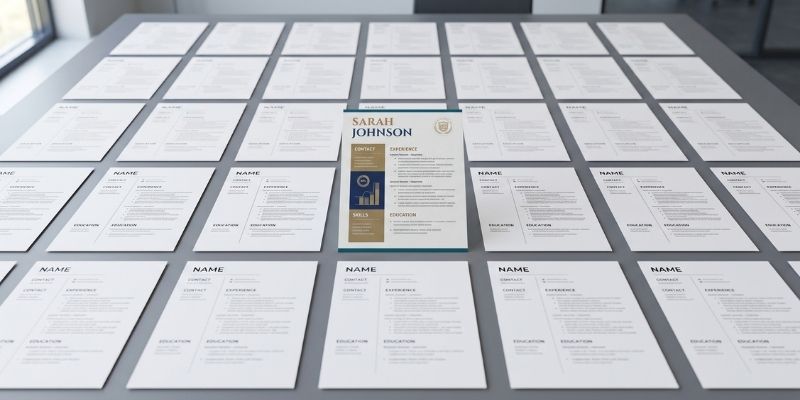
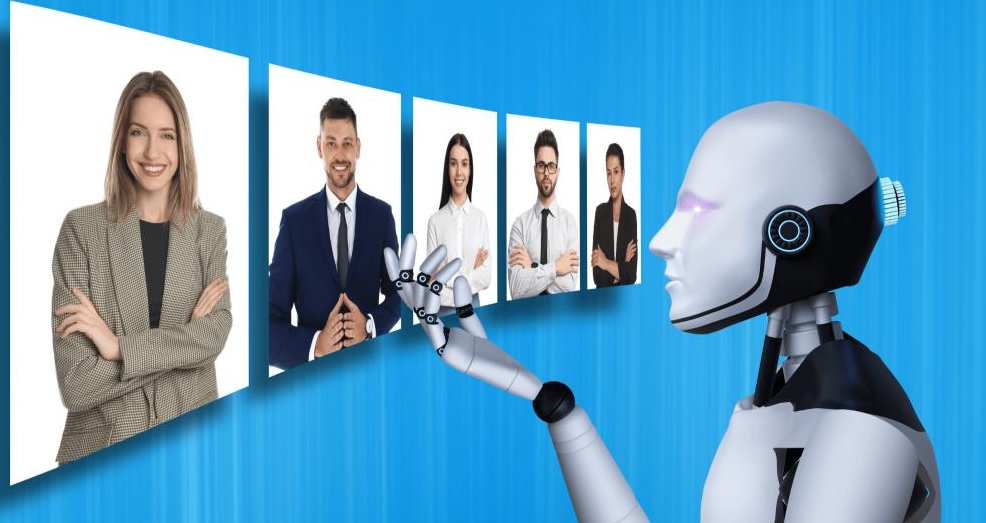
The fastest-growing segment of the recruiting industry isn’t human recruiters. It is the software replacing them. AI now screens resumes, surfaces candidates, automates outreach, and ranks applicants at a speed no hiring team could match manually.
This in itself isn’t inherently problematic. AI brings genuine value: it can process volumes no human team could handle, identify skills adjacencies across industries, and reduce some forms of unconscious bias at the screening stage. In a tight market for technical talent, that efficiency matters.
But there is a risk embedded in this acceleration. As AI’s influence expands, organizations are increasingly confusing faster hiring with better hiring, and the difference shows up months after the offer letter is signed.
Where Algorithms Excel (and Where They Don’t)
AI is exceptional at pattern recognition and scale. It can parse thousands of applications, identify baseline technical qualifications, and flag candidates with the right keywords and credentials. For talent teams under pressure to move quickly, these capabilities are invaluable.
What AI cannot do, at least not reliably, is understand people.
Algorithms struggle to assess the intangible qualities that actually drive success in senior or specialized roles, including:
- Navigating Ambiguity: How a candidate thinks through problems when there is no clear playbook.
- Communication: How they translate complex technical concepts for non-technical stakeholders.
- Influence: How they collaborate, mentor, and drive consensus within teams.
- Adaptability: How they pivot when technology stacks and business priorities shift.
- Resilience: The value of non-linear career paths, which AI often penalizes, but which frequently produce the most creative problem solvers.
The more you automate judgment, the more you optimize for what is easiest to measure rather than what actually matters.
Why Context Requires Human Judgment
Recruiting cannot be a simple transactional matching exercise. It needs to be a contextual discipline built on relationships and informed by experience.
This is why at iShift we invest time understanding the environment a candidate will be entering before we ever look at a resume. We look at the architectural maturity, the team structure, the business pressures shaping technical decisions, and what “success” actually looks like six to twelve months into the role.
That context fundamentally changes the assessment. We don’t just measure what candidates have done. We also evaluate how they are likely to perform under specific constraints with specific people.
A technically qualified candidate who looks perfect on paper may struggle in a culture that values collaborative decision-making over individual execution. Conversely, a candidate with an unconventional background might bring exactly the architectural thinking a legacy modernization project needs. Pattern matching misses these nuances; human judgment does not.
What Actually Differentiates Human-Led Recruiting
The distinction isn’t whether you use AI. It is whether you outsource your judgment to it.
Our approach combines technology-enabled efficiency with an assessment grounded in technical expertise. We look beyond buzzwords to understand how systems are built, how teams function, and how technical decisions cascade through organizations.
More importantly, we assess the qualities that don’t show up in resumes: how people communicate complexity, how they navigate uncertainty, and how they grow those around them. These are the capabilities that determine whether someone strengthens your organization or simply fills a seat.
The Future Is Hybrid, But Human-Led
AI will continue to evolve, and organizations that ignore it will fall behind. But those that exclusively rely on it risk optimizing for speed at the expense of actual outcomes.
The future of technical recruiting belongs to models that use intelligent tools to accelerate the process while keeping human judgment accountable for the result. Technology should make recruiters more effective, not replace the insight that only experience can provide.
Great hiring decisions aren’t made by algorithms. They are made by people who understand both technology and human nature and who know that while AI can identify a match on paper, it takes a human to identify a hire in practice.