Your Infrastructure Isn’t Broken. But Is It Holding You Back?
IT infrastructure bottlenecks don’t always announce themselves with outages. Sometimes your stack “works” but costs keep climbing, deployments drag, and momentum stalls.
If you have been putting off a review because nothing’s on fire, ask yourself:
Is your infrastructure quietly limiting what your team can do?
At iShift, we help teams spot hidden friction before it becomes a full-blown blocker.
Here are some signs to watch for and what you can do to we fix them.
Silent Signs Your Infrastructure Is the Problem
You don’t need a crash to know something is off. Watch for:
- Cloud bills rising with no added capability
- Deployment friction slowing feature releases
- Compute bottlenecks when teams need GPU access most
- DevOps in firefighting mode instead of building
- Vendor lock-in from legacy renewals you’d rather exit
- Compliance patchwork creating drag on every initiative
These aren’t isolated issues. They are symptoms of architectural, operational, or vendor-related constraints.
How We Unblock You
We start with a diagnostic, not a sales pitch. Our team maps your environment for performance, flexibility, and cost efficiency and then shows you exactly where the friction lives.
What is included in our our assessment:
- Infrastructure bottleneck audit (workloads, dependencies, vendor constraints)
- VMware reliance review and exit options
- GPU + storage mapping for AI-readiness
- Modular hybrid/multi-cloud recommendations
- Actionable roadmap—no rip-and-replace required
👉 Explore our Cloud & Infrastructure Services
👉 VMware Migration Planning
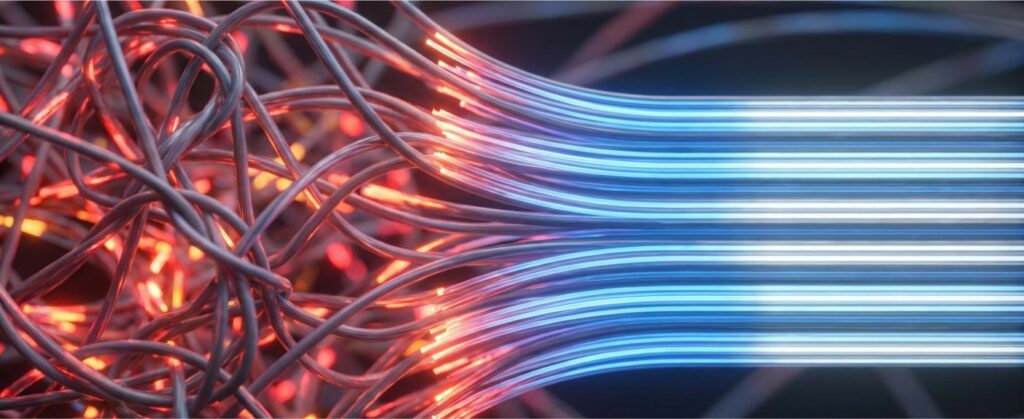
You Don’t Need to Start Over, You Just Need Flow
You don’t have to migrate everything or rebuild from scratch. But you do need architecture that moves with you, not against you.
At iShift, we specialize in practical modernization and focus on unlocking performance without disruption.
Not sure where the bottlenecks are hiding? Our diagnostic process surfaces them before they derail your roadmap.
🔍 Talk to our team and get a low-pressure infrastructure diagnostic.